How Can Somalia Benefit from the Blue Economy?
The longest coastline on mainland Africa is not a postcard. It is a development strategy — if Mogadishu and the member states can share it.
Abdirahman Samawade · March 23, 2023 · 2 min read
What is a blue economy?
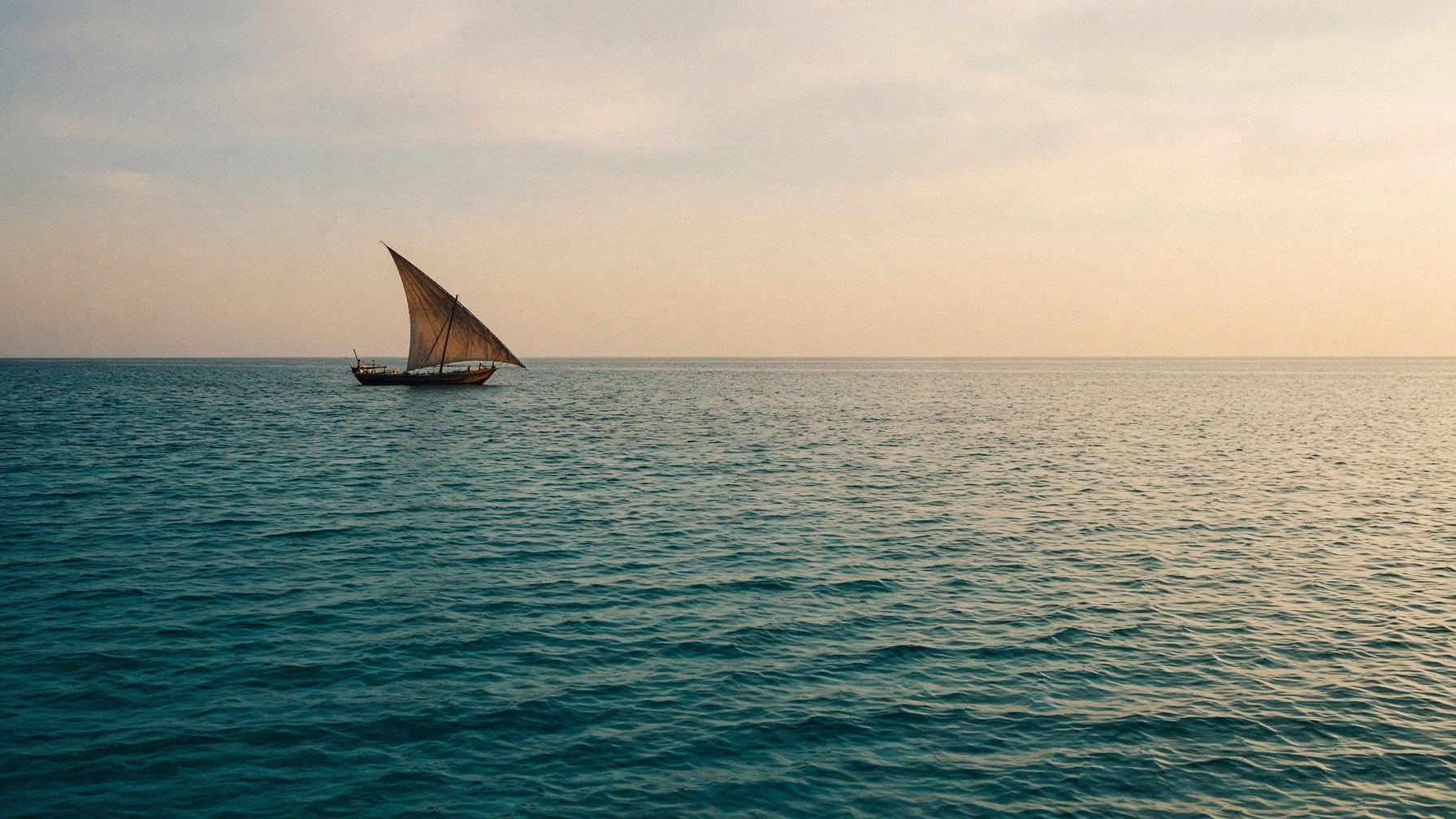
The blue economy is the economic activity that takes place within and around the oceans: the sustainable use of ocean resources for economic growth, improved livelihoods, and jobs. Somalia has a long coastline and a rich marine environment, which makes it well-positioned to benefit from the blue economy. It includes activities such as fishing, shipping, tourism, offshore energy development and marine research.
Somalia has a long coastline, a rich marine environment and a large exclusive economic zone. The country's waters are home to a variety of fish species, as well as coral reefs and other marine life. These resources could be used to develop a sustainable blue economy that benefits all Somalis.
Where the coastline pays
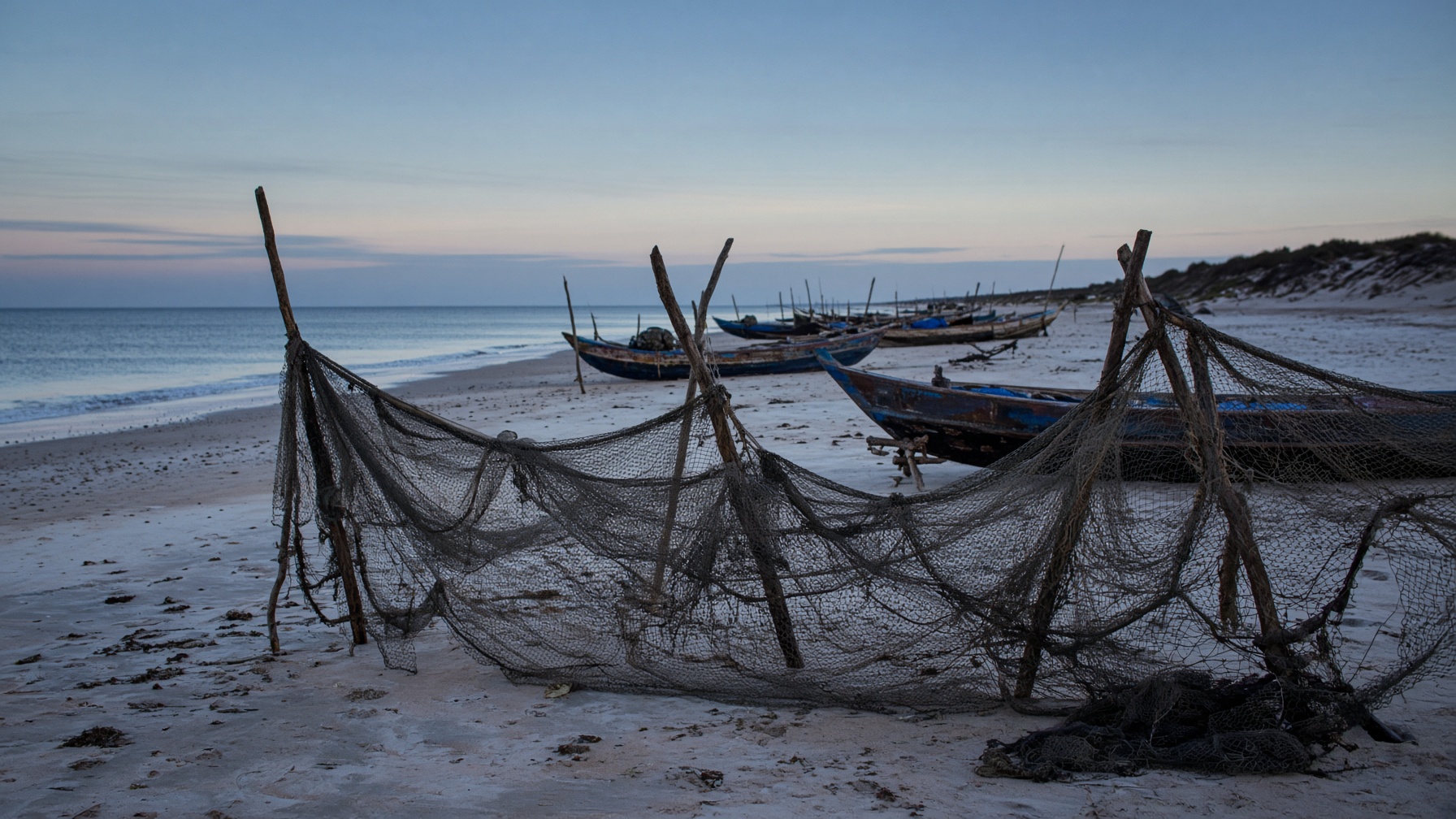
- Fishing and aquaculture. Somalia has a large and untapped fishing industry. The country could develop it by investing in modern vessels and equipment, training fishermen, and building processing facilities — and by developing fish farms and hatcheries.
- Maritime transport. Somalia is a shipping hinge in the Indian Ocean. Port infrastructure, port efficiency, and a coastal shipping industry would turn geography into revenue.
- Offshore oil and gas. Significant offshore reserves will require exploration, production, pipeline infrastructure, and a gas processing industry.
- Tourism. A beautiful coastline and a rich marine environment could support coastal resorts and dive sites — if security and infrastructure allow.
- Research and development. A blue-economy research institute, funded projects, and support for entrepreneurs would keep the sector from being extractive only.
The blue economy can help Somalia create jobs, boost its economy, and protect its environment. It can also be used to improve Somalia's security. The country's coastline is a major smuggling route, and a working blue economy can help Somalia combat smuggling and piracy.
Building strong partnerships
The resources of the blue economy could be shared among federal member states in a number of ways:
- Create a national blue economy fund to finance sustainable projects — infrastructure and support for fishermen among them.
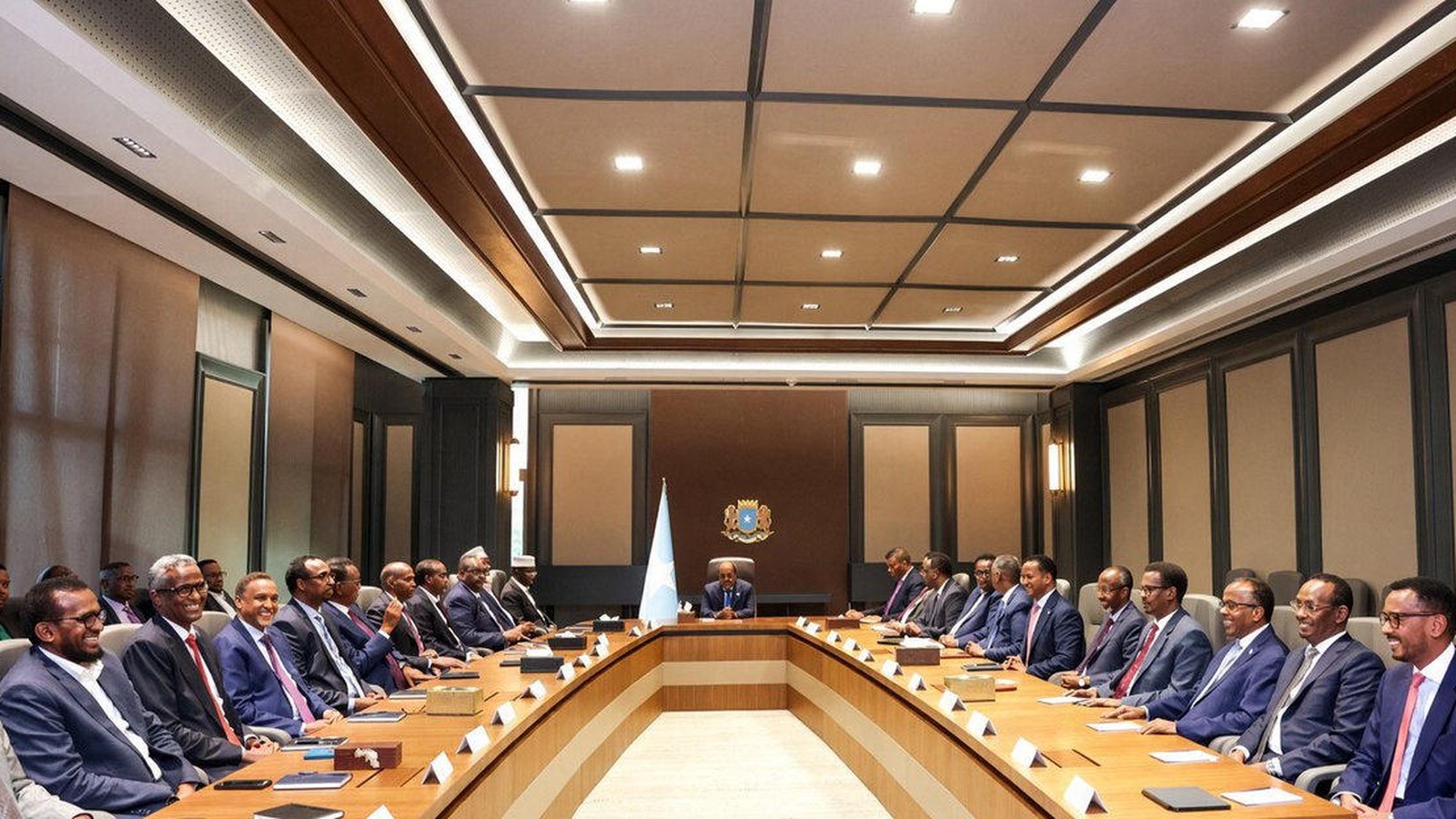
- Create a blue economy council that brings together federal member state representatives.
- Create a national blue economy strategy outlining how resources will be used and shared.
- Create a national marine management plan that identifies the resources and how they can be used sustainably.
- Develop a system of marine protected areas.
- Provide training and support to fishermen and other marine workers.
Growth through export
Somalia can export fish to other countries in Europe, Asia, and Africa. The country's ports sit on the Indian Ocean and the Red Sea, well-positioned for regional trade. Exports are currently limited by the lack of a strong fishing industry, the lack of infrastructure, and the lack of access to markets. The first step is to improve the fishing industry: new vessels, trained crews, and market access. The second is infrastructure — roads, bridges, and ports. The third is trade: agreements, fairs, and processing plants that turn a catch into canned fish or fish meal.
The blue economy has the potential to create jobs, boost economic growth, and improve the livelihoods of Somalis. By investing in it, Somalia can unlock its potential and build a more prosperous future.
By Abdirahman Samawade · Political analyst